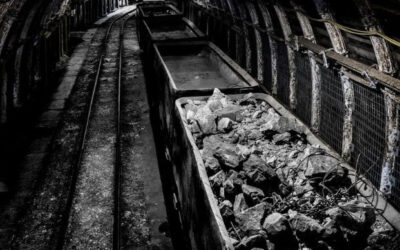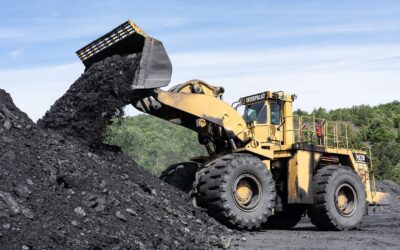


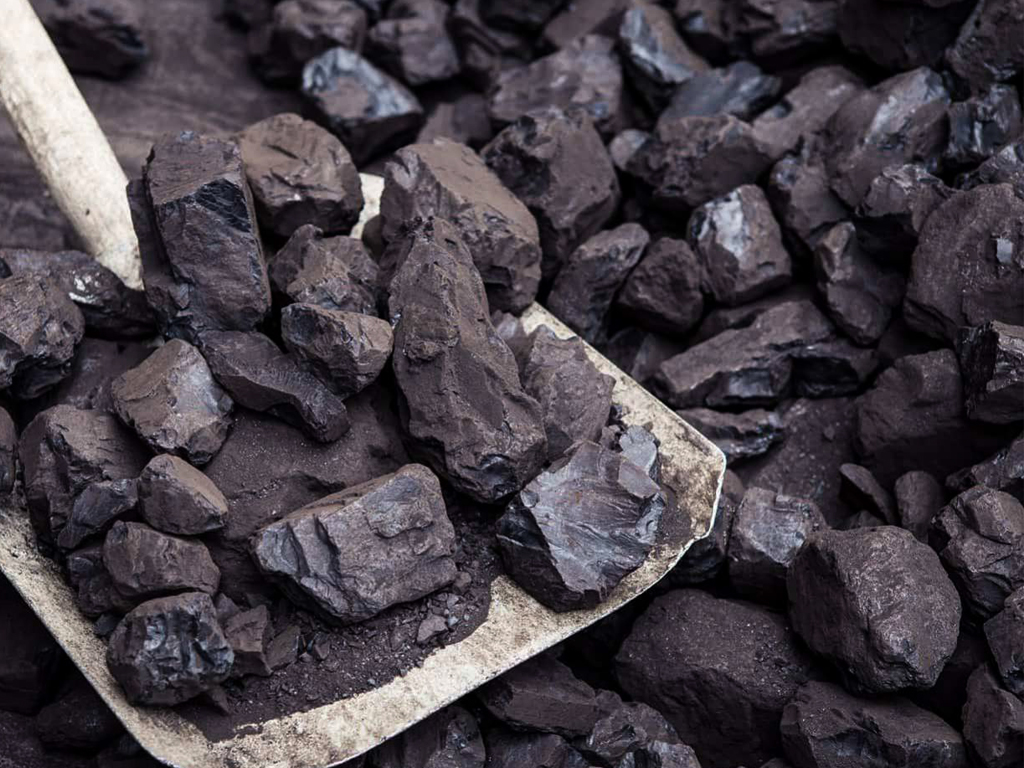
Low-sulfur anthracite represents a clean carbon solution for today’s industries aiming to incorporate sustainable initiatives and reduce emissions. Our world is shifting to clean energy. The growing concern for our environment and the push for the reduction of climate change has seen industries and manufacturers at different stages, but almost all want to shift to a modern solution and technology with low-sulfur anthracite while maintaining productivity and efficiency.
The Difference Between Traditional Coal and ICC Clean Anthracite
With the global transition to reducing emissions and clean energy, the distinction between both old coal methods and ICC clean anthracite is distinctly two choices of effectiveness and environmental perspective.
Traditional Coal
On the other hand, Traditional Coal is a traditional energy source due to the low cost and availability of coal. Traditional Coal has a high amount of impurities, which consist of sulfur and moisture, thus leading to an inconsistent combustion, producing a large amount of pollutants. Thus, the use of Traditional Coal in manufacturing facilities introduces a heavy ash load, which can have a heavily harmful pollution impacting both human health and the environment so that it impedes productivity through operational efficiency and motivation to prevent downtime in “Normal” operating procedures.
ICC Clean Anthracite
This is high quality coal. It’s different from all other coals due to a high purity of carbon content in excess of 90% making it a fuel with massive thermal capacity and near zero sulfur and ash emissions. ICC Clean Anthracite also has a clean and consistent combustion, which is in line with modern facilities striving to protect the environment. Although it costs more than the old coal, it is a greater economic opportunity in the long run due to the efficiency and mitigating breakdowns and pollution.
Clean Energy Solutions for Diverse Sectors
Clean energy solutions depend on both innovation and diversity to serve the requirements of multiple sectors, including industry, agriculture, transportation, and commercial and residential buildings. Some of the most impactful clean energy solutions and their practical applications include:
- Industrial Sector
Industrial Sector Advanced solar cells, such as perovskite solar cells, have an impressive energy conversion efficiency, and are the best option available for operating factory equipment producing PVC, wood, or acrylic. Green hydrogen offers the industrial community clean fuel options for industrial applications to substitute for coal in industrial processes, such as the use of hydrogen in aluminum or steel production.
- Buildings and Homes
Buildings and Homes Smart solar panels such as Smartflower (which look like a sunflower and provide 40% more energy) are the perfect fit for residential facades.
- Agricultural Sector
Agricultural Sector Waste-to-energy conversion methods are available for agricultural waste; businesses can convert their waste for biofuel production or to generate thermal energy. Solar-powered irrigation is an example of a mechanical system operating on solar electricity; solar irrigation may include systems that provide electricity for pumping water, as well as provide electricity to remote farms when powered with solar energy.
- Transportation
Transportation Biofuel produced from algae or agricultural waste helps lowers emissions in addition to being an alternative to diesel and gasoline.
- Smart Cities and Energy Networks
Smart Cities and Energy Networks Solid-state batteries, smart storage systems, and floating wind turbines may stabilize the grid and produce power on-demand. An example of a floating wind turbine would include floating wind turbines for use in coastal areas to generate a massive amount of renewable energy while occupying no land.
Added Value for Companies Committed to Sustainability
International Company COKE & FERRO ALLOYS (ICC) utilize low-sulfur anthracite to provide environmentally sustainable green energy and green practices when providing goods and services to build trust with the customer, improve brand reputation, and generate new sales in provincial, national, and global markets. They also provide a preference when applying for Government and international tenders, and more generally are garnering interest from investors who promote social interest, and green investment.
Businesses that commit to a sustainable practice, reduce operational costs, and improve efficiencies with resource use all improve profitability for the long-term.
In conclusion, as environmentally and socially sustainable, the world begins to transform into a clean energy era of social responsibility, Low-Sulfur Anthracite is the preferred choice for industry looking for an energy resource that is an environmentally safe sustainable source of energy. Low-Sulfur Anthracite clean and high thermal efficient energy has been successful with sustainable practice without impact production volumes or shifts.